Food as Seasoning, Not Medicine: What "Shiliao" Actually Means in a Chinese Home
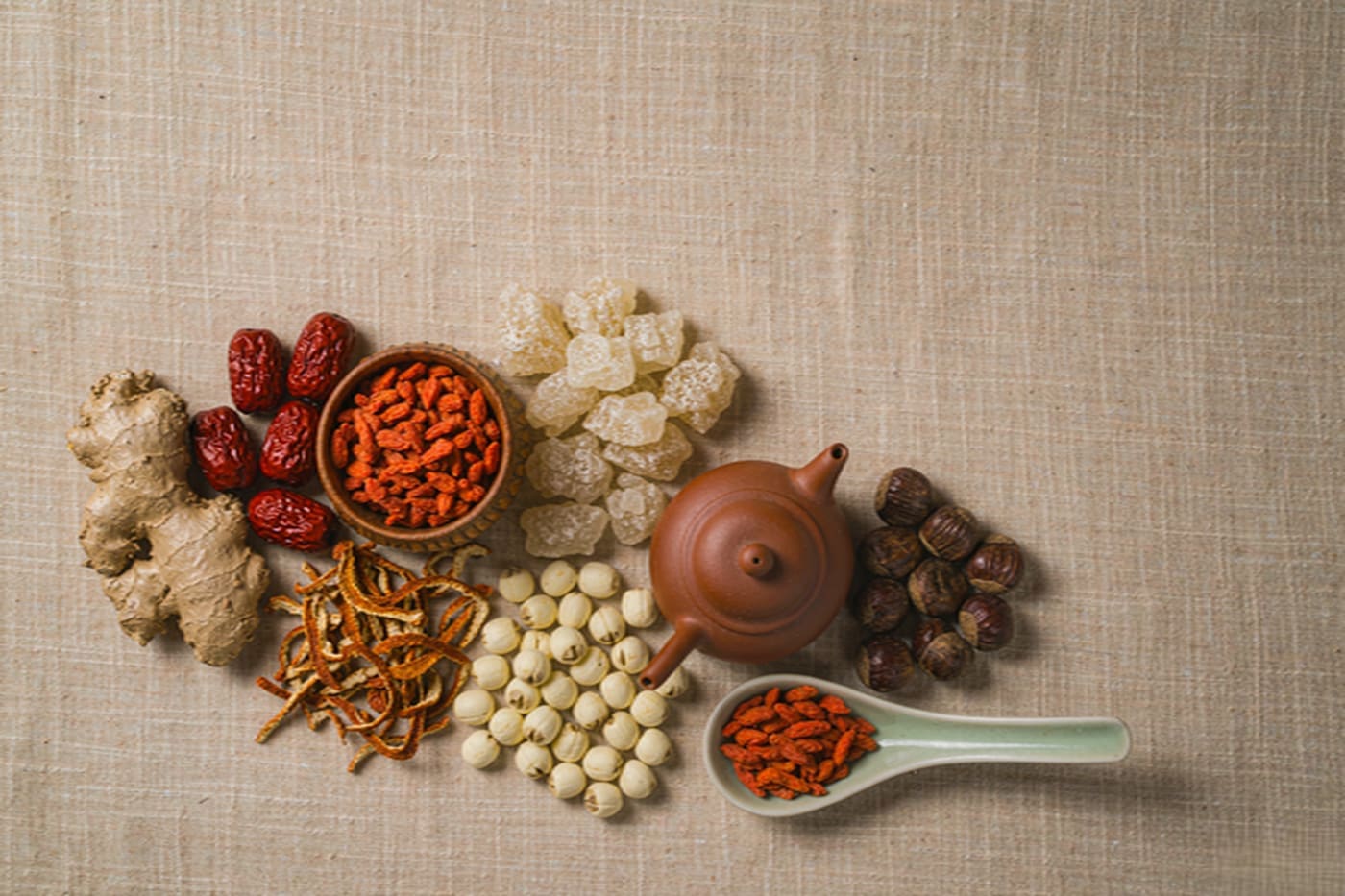
Chinese food therapy has a mystical reputation in the West. Inside an actual Chinese kitchen, it is closer to seasoning: habits, seasons, and a grandmother with opinions. A starting guide.
The first time I heard Chinese food therapy described in English, it was on a wellness podcast, and the host said the words "ancient healing system" in the same tone you might announce a lottery win.
I grew up inside the actual system, and I barely recognized it. Nobody in my family "prescribed" food. Nobody tracked their qi. What they had was a set of habits so old and so ordinary that they were invisible — until I moved to the United States and realized they were gone.
So this is a translation piece, the way I'd explain it to a friend at my own dinner table: what shiliao — the phrase behind "Chinese food therapy" — looks like when it is not being sold to you.
The system in one sentence
Traditional Chinese food thinking sorts things into qualities — warming and cooling, dampening and drying — and matches them to the season and the person. Summer is cooling; deep winter is warming. A "heaty" person eats differently from a "cold" one. Watermelon is summer's food; mutton is January's.
If that sounds vaguely like folk versions of Hippocrates, it should — a lot of pre-modern food cultures reasoned this way. What makes it feel mysterious in English is packaging; in Chinese it mostly sounds like your aunt telling you to stop eating so much fried food.
What it looks like on an ordinary Tuesday
Here is the complete list of shiliao practices I witnessed growing up, none of which required a pharmacy:
The menu drifts with the calendar. The soup my family simmered in July was light — winter melon, barely any meat. In December it was a working soup: bones, roots, an hour and a half of patience. Nobody consulted a chart; the weather did the consulting.
Hot and cold is a texture, not a temperature. A person who felt run down got "warming" foods — ginger, lamb, long-cooked broths. A person who felt bloated and irritable in August got "cooling" ones — mung bean soup, bitter melon, barely-cooked greens. The labels are pre-scientific, but the underlying instinct — heavier food in cold months, lighter food in hot ones — would get a nod from any dietitian.
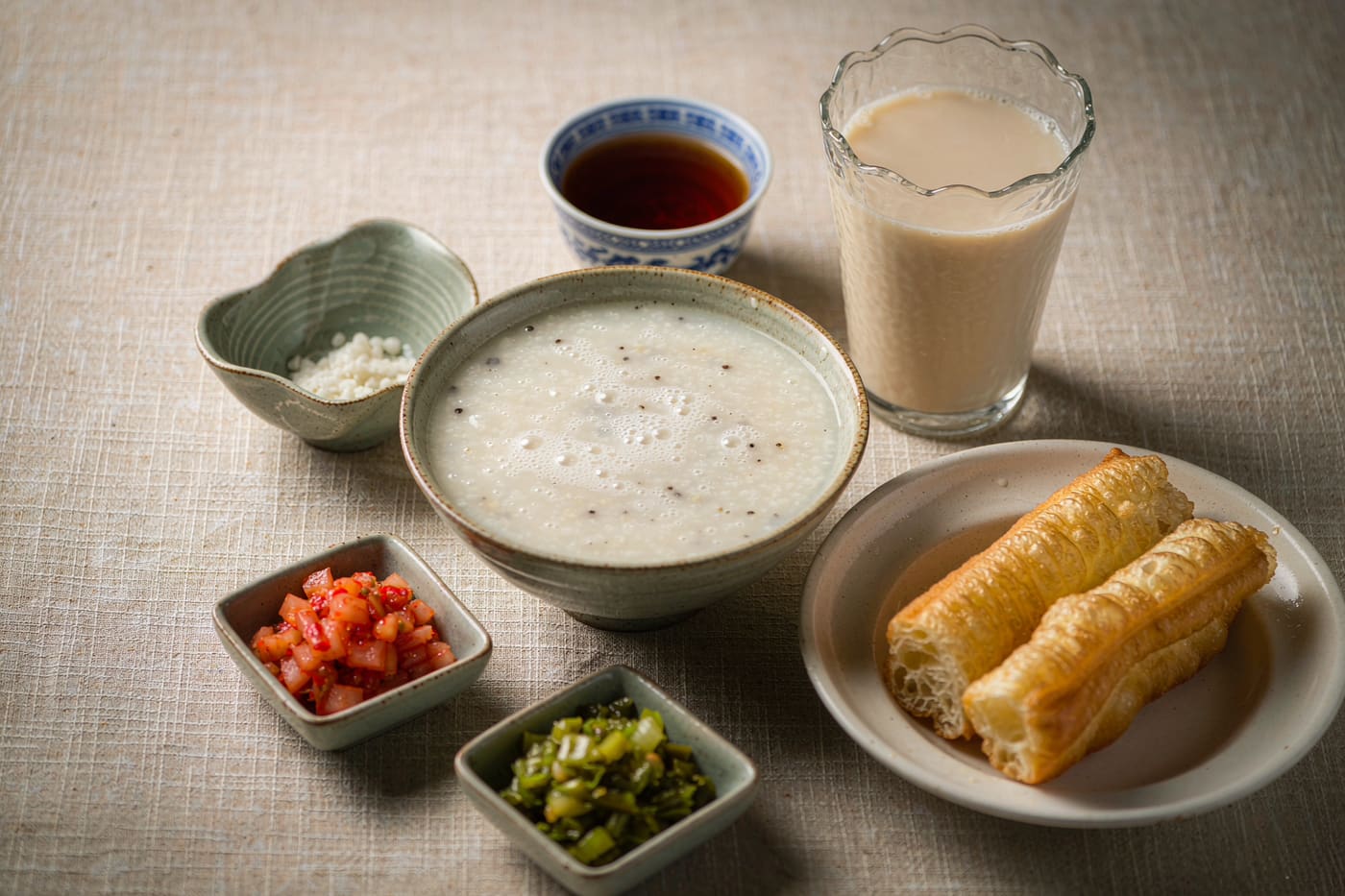
Congee is the reset button. When someone was tired, overwhelmed, or just home after a long trip, the answer was a plain pot of congee. It is the most gentle thing a kitchen can make, and it functions in Chinese homes roughly the way toast and tea function elsewhere.
Food is affection with opinions. Half of shiliao is really this: grandmothers expressing love through unsolicited dietary commentary. "You look cold" was not a diagnosis. It was a soup order.
Where the internet version goes wrong
The English-language internet tends to do one of two things with this tradition. It either sells it — every claim inflated, every soup a cure — or it debunks it, treating the whole thing as quackery to be dismantled.
Both miss what is actually valuable in it. The mystical version deserves skepticism: no soup treats disease, and a tradition is not evidence. But the dismissive version misses the real inheritance — a culture that pays continuous, unembarrassed attention to how food, season and mood interact, and encodes that attention into habit instead of apps.
You do not need to believe in warming and cooling to cook this way. You only need to notice that in February you want a stew and in August you want a salad, and that this has been true for your entire life. Congratulations — that is the entire theory, experienced honestly.
How I use it in my American kitchen
I kept three habits from my childhood kitchen, and they translate perfectly:
- One pot follows the season. Whatever is simmering changes with the weather, and the change is the point. It keeps cooking interesting without needing new recipes.
- There is always congee. It is my reset for busy weeks, sick friends, and homesick days. Jasmine rice, ten cups of water, an hour. Everything else is decoration.
- Dinner is a comment on the weather. This is the part I thought was superstition and now think is poetry. The meal tells you what month it is. That is worth preserving even in a shared calendar app family.
That is shiliao as I inherited it: not a healing system, but a way of staying in conversation with the season. Everything else on this site — the congees, the steamed pears, the winter soups — is just that idea, holding a spoon.
Frequently asked questions
What does shiliao mean?
Shiliao (食疗) literally means "food therapy" — the Chinese practice of thinking about food in terms of its qualities (cooling, warming, etc.) and the season. In home kitchens it functions mostly as cooking habits and traditions, not as a medical system.
Is this site going to tell me what to eat for my condition?
No. We write about food, culture and personal experience, and we do not make health claims. For anything medical, talk to a doctor.
Do I need Chinese ingredients to cook this way?
Not to start. The seasonal logic — lighter foods in hot weather, slower and richer dishes in cold weather — works with any supermarket. Chinese pantry ingredients add range, not permission.
About the author
Writer & Home Cook
Chinese home cook writing about seasonal food traditions from an American kitchen. Grew up in Guangdong, now cooks for a mixed family in the US.
Keep simmering
This article shares food culture and personal experience. It is not medical advice. See our medical disclaimer.