What a Chinese Pantry Actually Holds: A Shopping List for American Kitchens
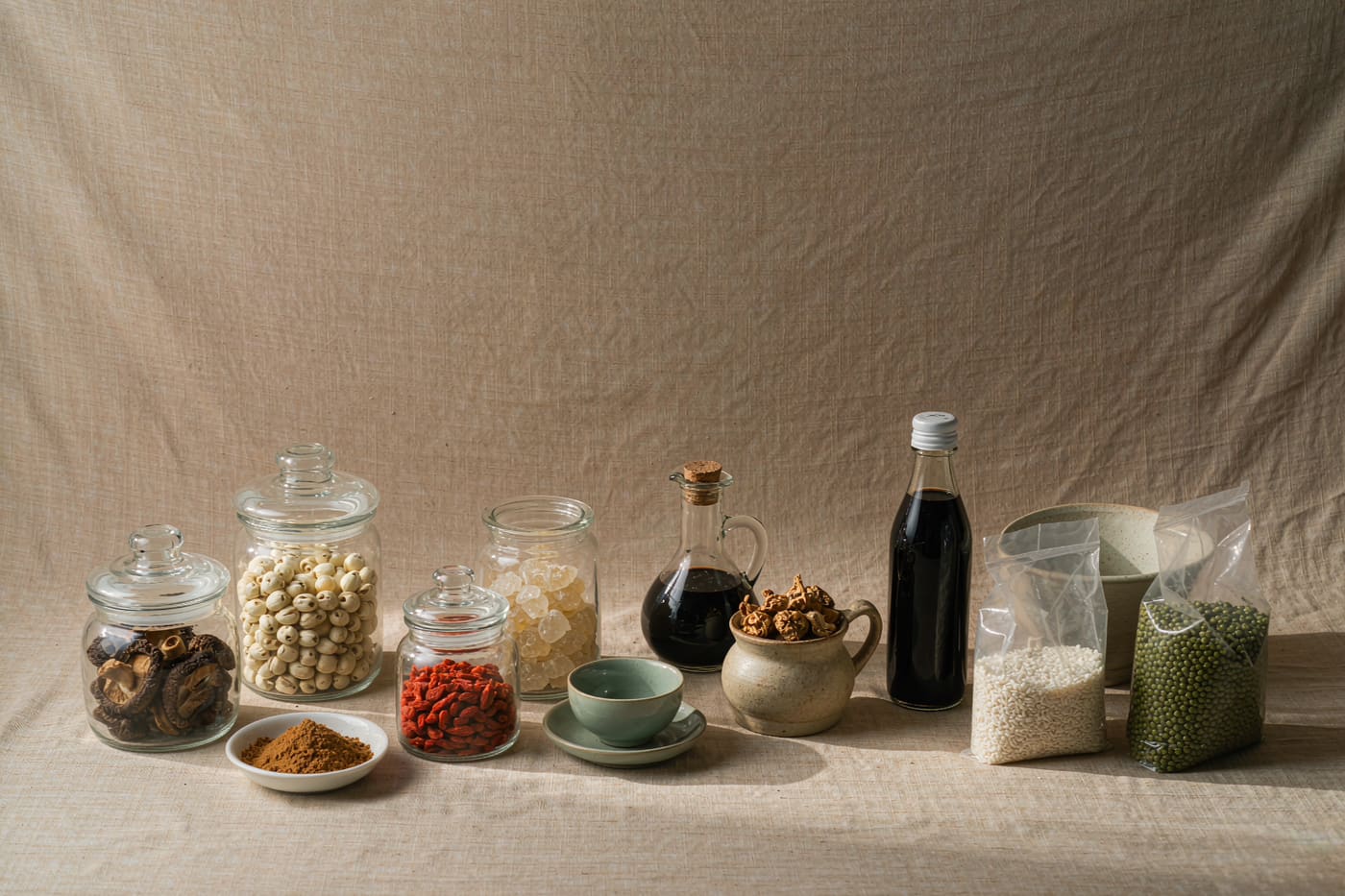
Skip the novelty of a 40-ingredient haul. This is the honest list — twelve ingredients that cover 90 percent of what a Cantonese home kitchen actually reaches for, with what they do and where to find them.
When friends decide to start cooking Chinese food at home, they usually come back from the Asian grocery with two bags: one of ingredients they will use weekly, and one of acquisitions — a jar of fermented black beans that will sit in the dark like a widow, a sauce with a cartoon duck on it bought purely for the duck.
I understand both bags. But my mother's pantry — the actual, real, working pantry of a woman who cooked every day for four decades — was not exotic. It was small, boring, and ruthlessly functional. Here is what it held, translated, in the order I would tell you to buy it.
Tier one: the six that unlock everything
Light soy sauce. Not "lite" — light. This is the everyday seasoning soy sauce, the salt of the kitchen. If a stir-fry tastes flat and you have added no soy sauce, this is why. Buy a brand with three ingredients or fewer: soybeans, wheat, salt.
Dark soy sauce. The color. Thicker, molasses-dark, barely salty — a tablespoon turns braises mahogany and adds a caramel depth you cannot get any other way. The two soy sauces are not interchangeable and a kitchen with both is a kitchen that can cook.
Shaoxing wine. Chinese cooking wine, the one that does for braises what white wine does for French sauces. The cheapest respectable bottle at the Asian grocery is fine to start. (Do not buy "cooking wine" with added salt if you can avoid it — it tastes like someone already gave up.)
Toasted sesame oil. A finishing oil, never a cooking oil — half a teaspoon at the end of noodles or a dipping sauce. Refrigerate it after opening; it goes quietly rancid faster than any bottle in your kitchen.
Dried shiitake mushrooms. The single highest-leverage dried good in the store. Soaked, they go into stir-fries; the soaking water, strained, is instant vegetarian stock deeper than any carton you could buy.
Jasmine rice. The infrastructure. If you eat rice more than occasionally, buy the biggest bag you can lift.
Tier two: the six that add range
Rock sugar. Pale crystals, milder and rounder than white sugar — it is why restaurant braises taste smoother than yours. Also the base of steamed pear season, per my other piece.
Dried tangerine peel (chenpi). A few dollars for a bag that lasts a year. It is the whisper in braises and bean soups, and it ages like leather — I have written a full guide to buying it.
Dried mung beans and adzuki beans. For the summer mung bean soup my family drank chilled (a dish I will write up properly this summer), and red bean dessert soup in winter. Shelf-stable protein and a dessert base in one bag each.
Dried noodles and white pepper. The lunch problem, solved; the white pepper is what makes hot and sour soup and congee taste like themselves — it is fruitier and sharper than black and it is not a substitute situation.
Sichuan peppercorns. Only if you cook beyond Cantonese food — the citrus-buzz spice behind mapo tofu. Keep in the freezer; the aroma fades.
Chinkiang vinegar. Black rice vinegar for dumplings and glazes. Fruity, malty, nothing like Western vinegar; a small bottle outlasts a year of dumpling nights.
What I did not list, on purpose
No fermented black beans until you have cooked through tier one for a couple of months. No dried scallops (lovely, expensive, an occasion ingredient). No bird's nest, no sea cucumber, no jar of anything with a cartoon mascot you cannot identify — if you cannot name the dish you will cook with it, the pantry does not need it yet. My mother cooked daily for forty years with tiers one and two and occasionally, for Chinese New Year, a short and expensive raid into everything else.
The one-trip shopping strategy
Go once, list in hand, and buy the tier one items plus whatever tier two appeals to your actual cooking — soup people get the beans and the peel, noodle people get the noodles and vinegar. Total damage is usually less than a nice dinner out, and every item on the list keeps for months.
Then cook from it for a month before the next trip. The pantry is not the dish. It is the thing that makes the dish possible on a Tuesday, which is the only night that actually tests a kitchen.
Frequently asked questions
What are the absolute essentials to start a Chinese pantry?
Light soy sauce, dark soy sauce, Shaoxing wine, toasted sesame oil, dried shiitake mushrooms, and a bag of jasmine rice. Those six unlock most weeknight Chinese cooking; everything else on this list adds range, not permission.
How long do these ingredients keep?
The sauces and oils keep a year or more in a cool cupboard (refrigerate sesame oil to slow it going rancid). Dried goods — mushrooms, tangerine peel, beans — keep essentially indefinitely if stored dry and airtight.
Do I need one trip to an Asian grocery?
One trip builds the whole shelf. Many supermarkets now carry soy sauces and sesame oil, but an Asian grocery will have all twelve on this list for roughly half the price, plus the dried goods.
About the author
Writer & Home Cook
Chinese home cook writing about seasonal food traditions from an American kitchen. Grew up in Guangdong, now cooks for a mixed family in the US.
Keep simmering
Ingredient Guides
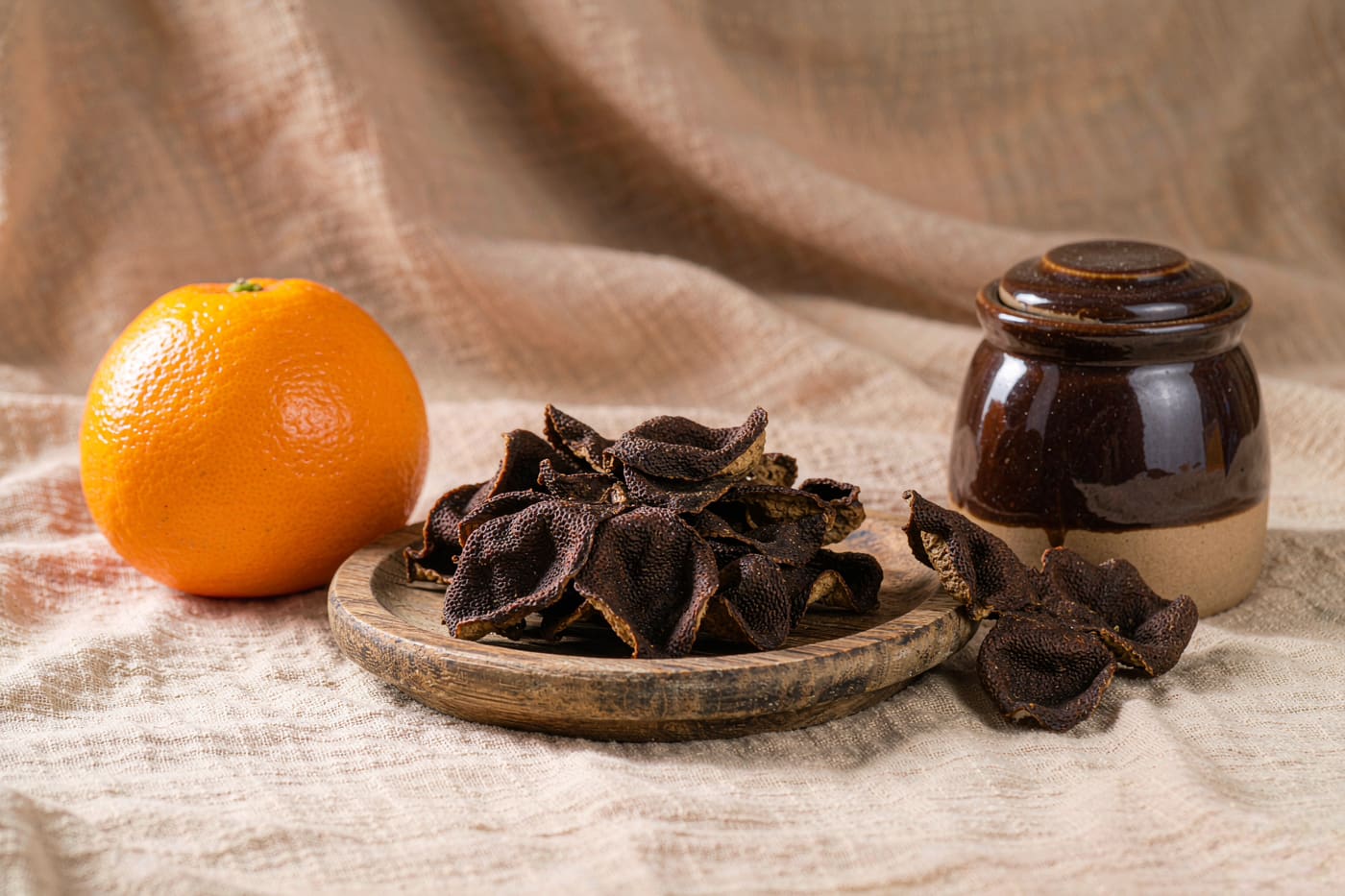
Dried Tangerine Peel: The Citrus That Ages Like Leather
Chenpi is one of the only ingredients in a Chinese kitchen that gets more valuable with time — decades, sometimes. What it is, why old peel is prized, and how to buy and use it in an American kitchen.
Jack Chen · Nov 1, 2026 · 4 min read
Ingredient Guides
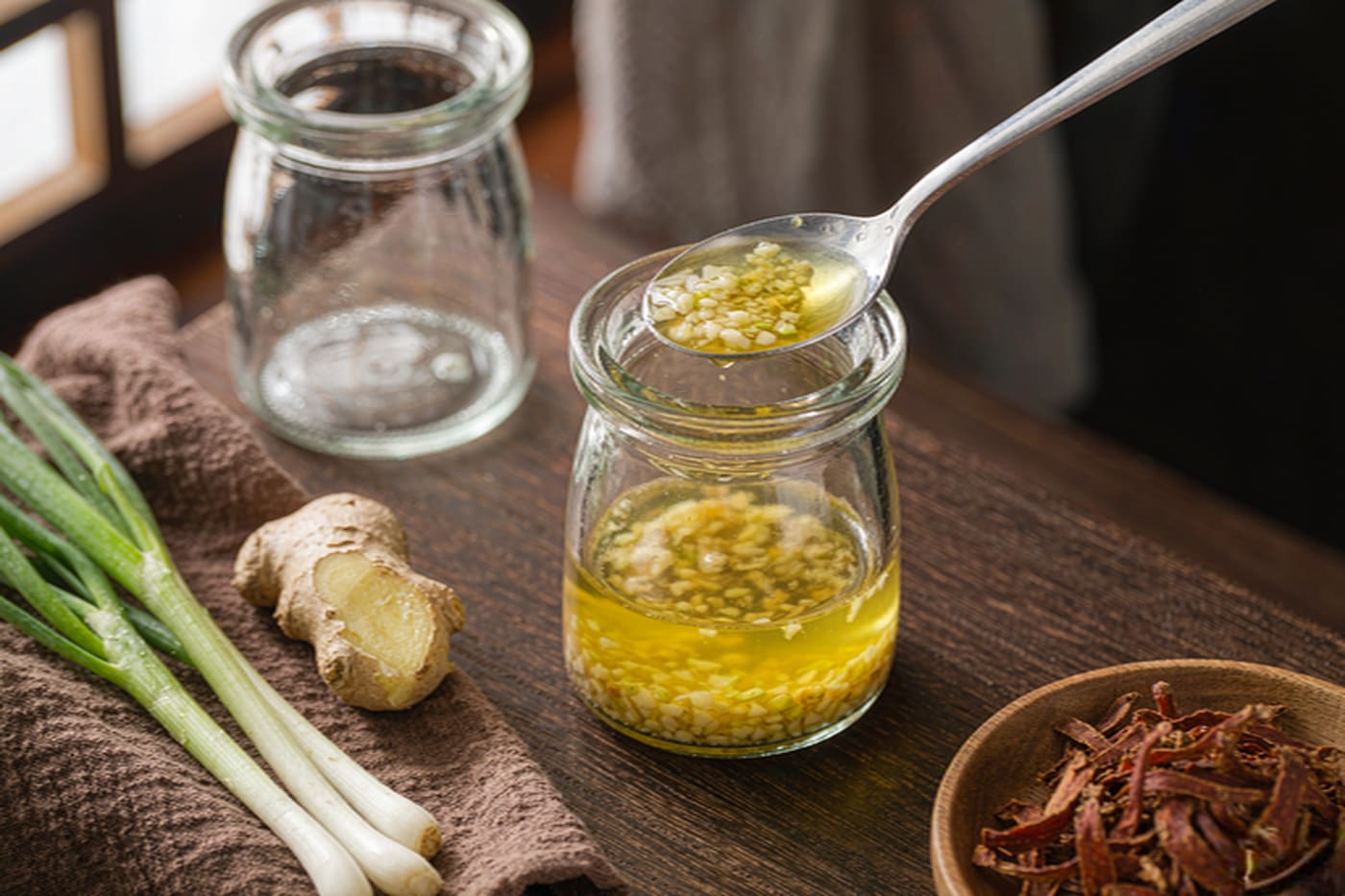
Ginger Scallion Oil: The Three-Ingredient Condiment That Runs a Cantonese Kitchen
Jiang cong you is not a recipe so much as a kitchen institution — poured over steamed fish, tossed with noodles, spooned over plain rice. The version I make weekly, and the mistakes I made for years.
Jack Chen · Oct 31, 2026 · 3 min read
Ingredient Guides
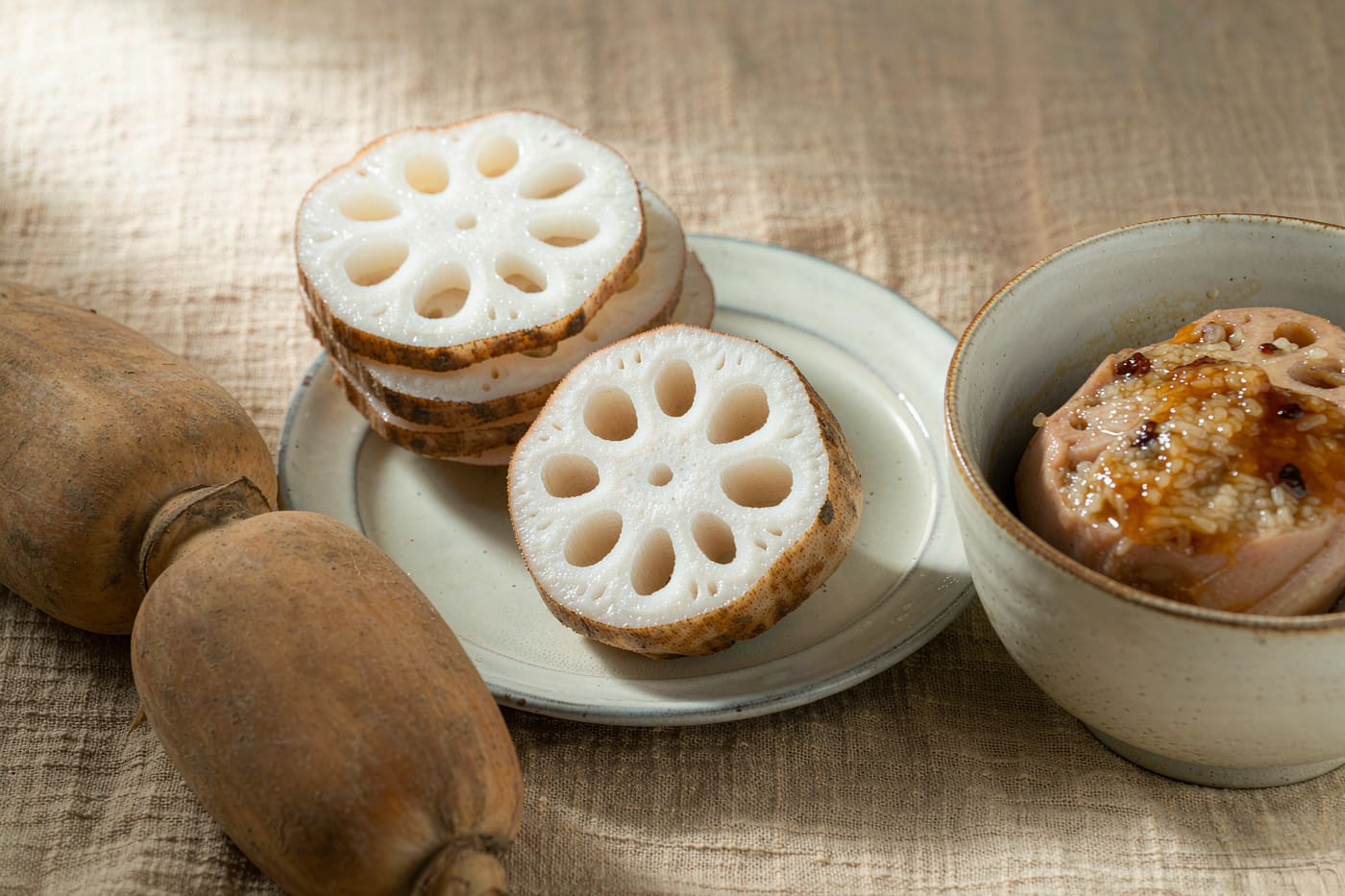
Lotus Root: The Vegetable With Holes, and the Two Ways We Cook It
It looks like a barrel of Swiss cheese and eats like a water chestnut with ambition. How to buy lotus root in an American grocery, clean it properly, and cook the two classic ways — crisp and soft.
Jack Chen · Oct 28, 2026 · 4 min read
This article shares food culture and personal experience. It is not medical advice. See our medical disclaimer.