Winter Melon Soup: The Lightest Pot in a Cantonese Kitchen
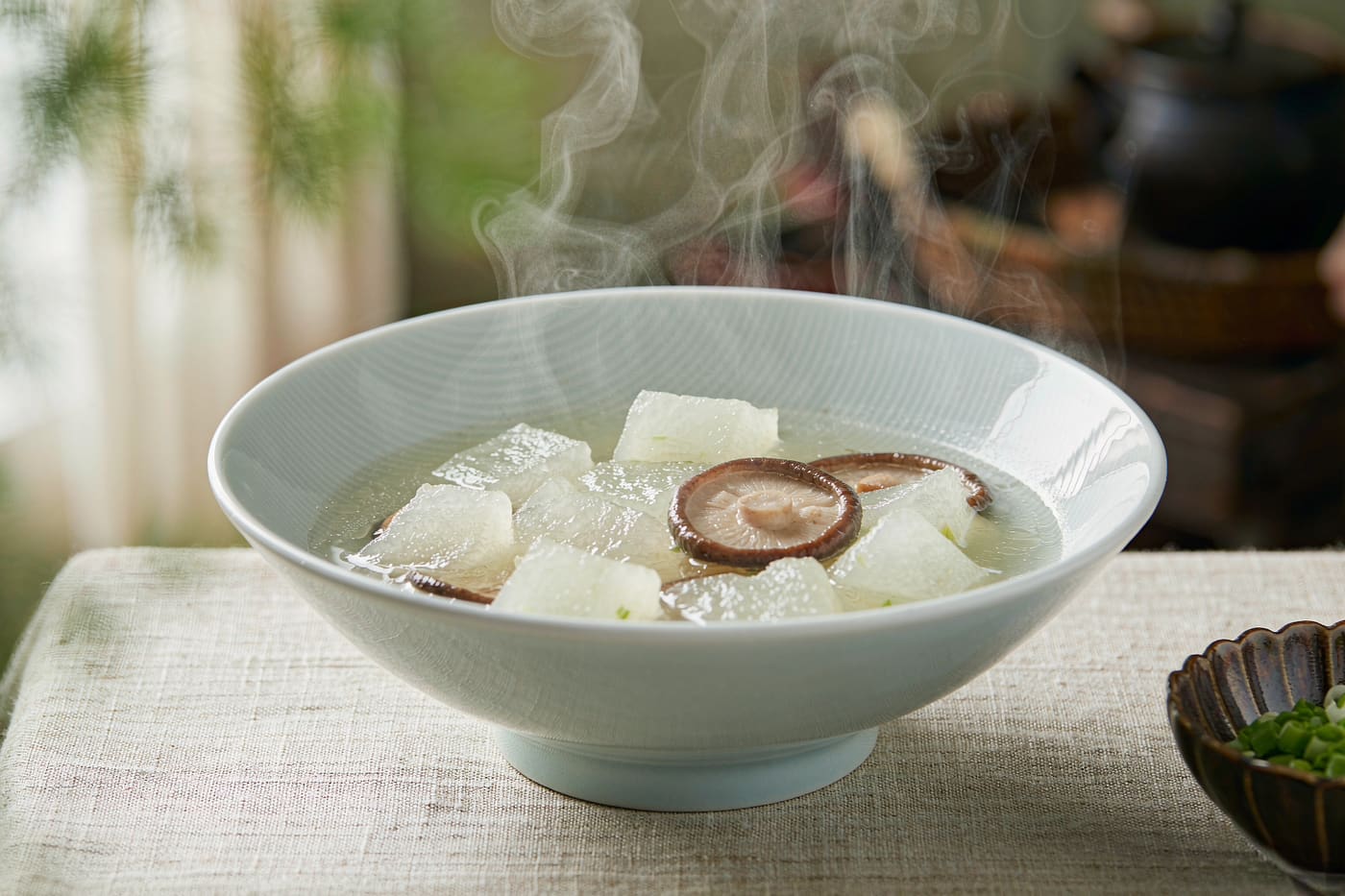
When the summer heat peaks, Cantonese kitchens swing the other way — to a soup so light it is almost a suggestion. How to make it with American market melons, and why the lightest dish takes the most restraint.
August in Guangdong is a weather condition, not a month. The air has weight. When I was growing up, this was the season my family's kitchen went quiet in a specific way — less frying, less braising, and one pot of soup that seemed barely there at all: winter melon soup, named for the coldest season, eaten in the hottest one.
If you have never had it, the name is the best joke in Cantonese cooking. Winter melon is an enormous, waxy, pale-green gourd — in China it can grow to the size of a toddler — and its flesh is almost aggressively mild. Eating plain winter melon is like eating the idea of a vegetable. The whole point of the soup is what happens when that neutrality meets a good broth.
The summer logic of the lightest soup
Here is the pattern my family followed without ever writing it down: the more brutal the weather, the lighter the pot. Deep winter got pork bone soup that simmered until the house smelled like a butcher shop. Deep summer got this — winter melon, a modest amount of pork (usually sliced, not bone-in), a few dried shiitakes, and the ingredient I want to talk about because Americans always throw it away: the peel of a dried tangerine, one piece, the size of a stamp collection's least valuable entry.
That peel does something no fresh ingredient can. It smells like citrus that has thought about its life — bitter, warm, faintly floral. In a soup this plain, one piece of it is the difference between hot melon water and an actual dish. My grandmother kept hers in a biscuit tin, in pieces, some older than I was. (This is not an exaggeration — aged tangerine peel is a genuine thing, and I have written a whole guide to buying it.)
The non-mystical explanation for the summer menu is the same as the winter one: this soup hydrates, it takes an hour of mostly-unattended simmering rather than thirty minutes of standing over a wok in August, and it fills you up without making the kitchen hotter than the street. Some families chill the melon and eat it cold as a side. We never did. Soup is hot, tea is hot, and August can cope.
Shopping the melon in an American grocery
Winter melon shows up in two forms here: whole (enormous, at Asian groceries, often cut into wedges for you) or as plastic-wrapped cut wedges. Pick wedges where the flesh looks dense and pearl-white, not watery or separated. If your store has no winter melon at all, chayote is the honest substitute — mild, slightly sweet, holds its shape. Cucumber works in a pinch but collapses faster, so add it late.
Serves 6 as a first course.
- 2 pounds winter melon (or chayote), peeled, seeded, cut into 1-inch cubes
- Half a pound of pork shoulder or pork ribs, sliced thin (skip for vegetarian)
- 4 dried shiitake mushrooms, soaked in hot water for 30 minutes, sliced
- 1 piece dried tangerine peel, rinsed (or a strip of fresh mandarin zest, pith removed — weaker, but present)
- 6 cups water
- 1 teaspoon salt, more to taste
- Sliced scallions to finish
Put everything but the salt and scallions in a pot, bring to a boil, then drop to the lowest simmer your stove will allow. An hour, maybe ninety minutes. The melon turns translucent at the edges and the broth goes from water to something with a soft, round body. Salt at the end, taste, and finish with scallions.
That is the entire recipe. This is the dish I hand to people who say they cannot cook, because the difficulty is not technique — it is patience, and the restraint to not add things. No ginger here. No garlic. Let the peel do the work it has been aging for.
What my family said about it, and what they didn't
I want to be honest about the cultural framing, because summer melon soup gets sold online as a "cooling" dish with almost medicinal certainty. In my house, yes, this was summer food in the shiliao sense — the same way ice cream is summer food in yours. Nobody claimed it prevented anything. The elders said "light for hot days" and moved on, which I have come to think is the correct amount of theory for a soup.
What I will claim: this is one of the great beginner dishes of Chinese cooking precisely because it teaches the thing Chinese home cooking values most and American weeknight cooking values least — that a pot can be flavorful without being busy. If your weeknight repertoire is five strong sauces deep, make this once. It recalibrates something.
Frequently asked questions
What can I substitute for winter melon in the US?
Chayote is the closest widely-available substitute — mild, slightly sweet, holds its shape. Peeled cucumber works in a pinch but goes soft faster. Some grocery stores do carry winter melon, cut into wedges and wrapped in plastic, especially stores with a Southeast Asian produce section.
Is winter melon soup served hot or cold?
Hot, always — even in August. In Cantonese food thinking, the lightest foods belong to the hottest months. The soup is served warm as a first course or alongside rice.
Can I make it vegetarian?
Yes. Skip the pork and use dried shiitake plus a piece of dried tangerine peel for depth. The peel is the single most important aromatic in the vegetarian version.
About the author
Writer & Home Cook
Chinese home cook writing about seasonal food traditions from an American kitchen. Grew up in Guangdong, now cooks for a mixed family in the US.
Keep simmering
Seasonal Recipes
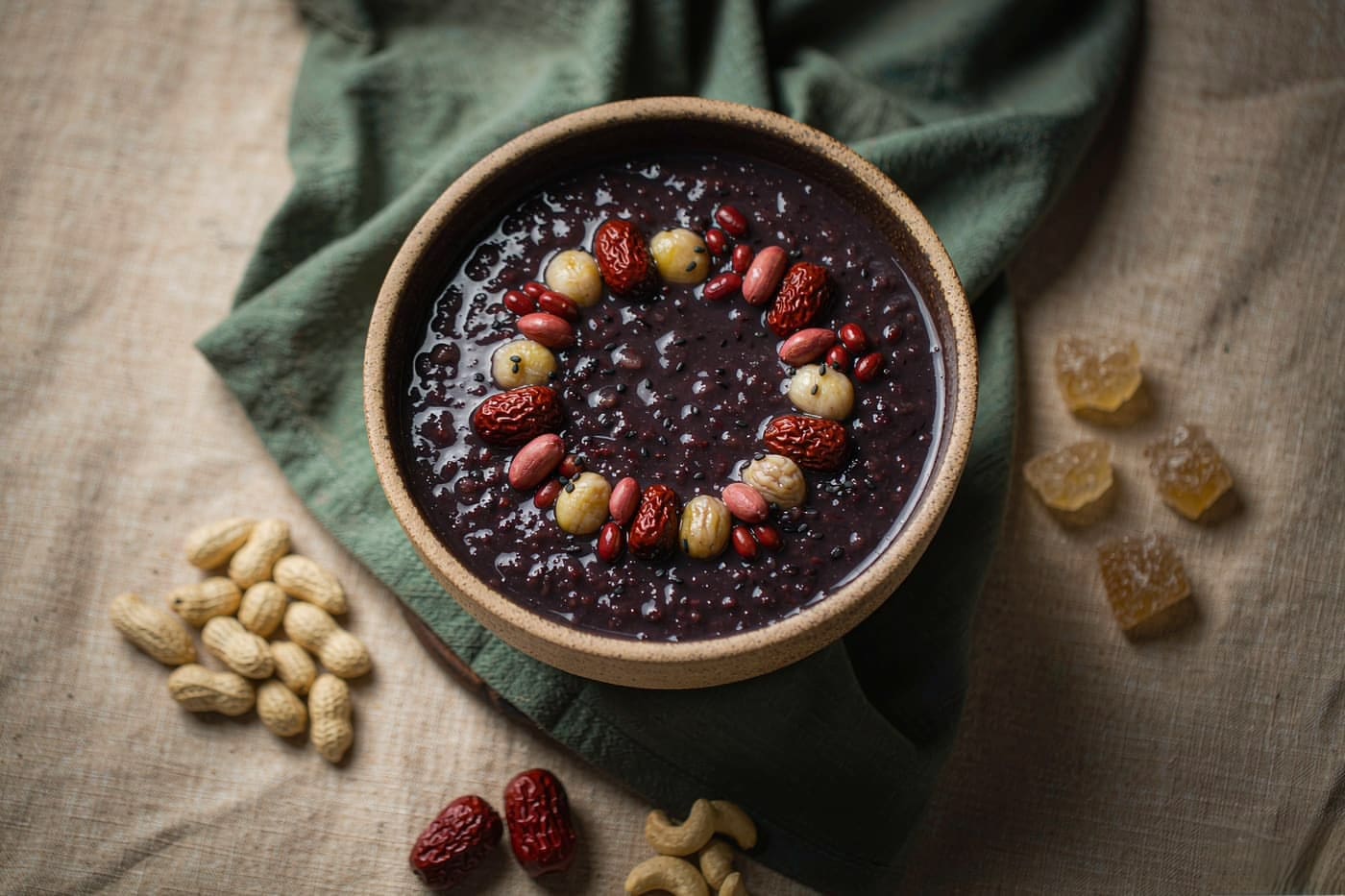
Eight-Treasure Congee: The Breakfast My Family Eats When the Frost Comes
Ba bao zhou is the breakfast that marks late autumn in a Chinese kitchen. Here is how to make it with American supermarket ingredients — and why it belongs to the season, not the menu.
Jack Chen · Nov 3, 2026 · 4 min read
Seasonal Recipes
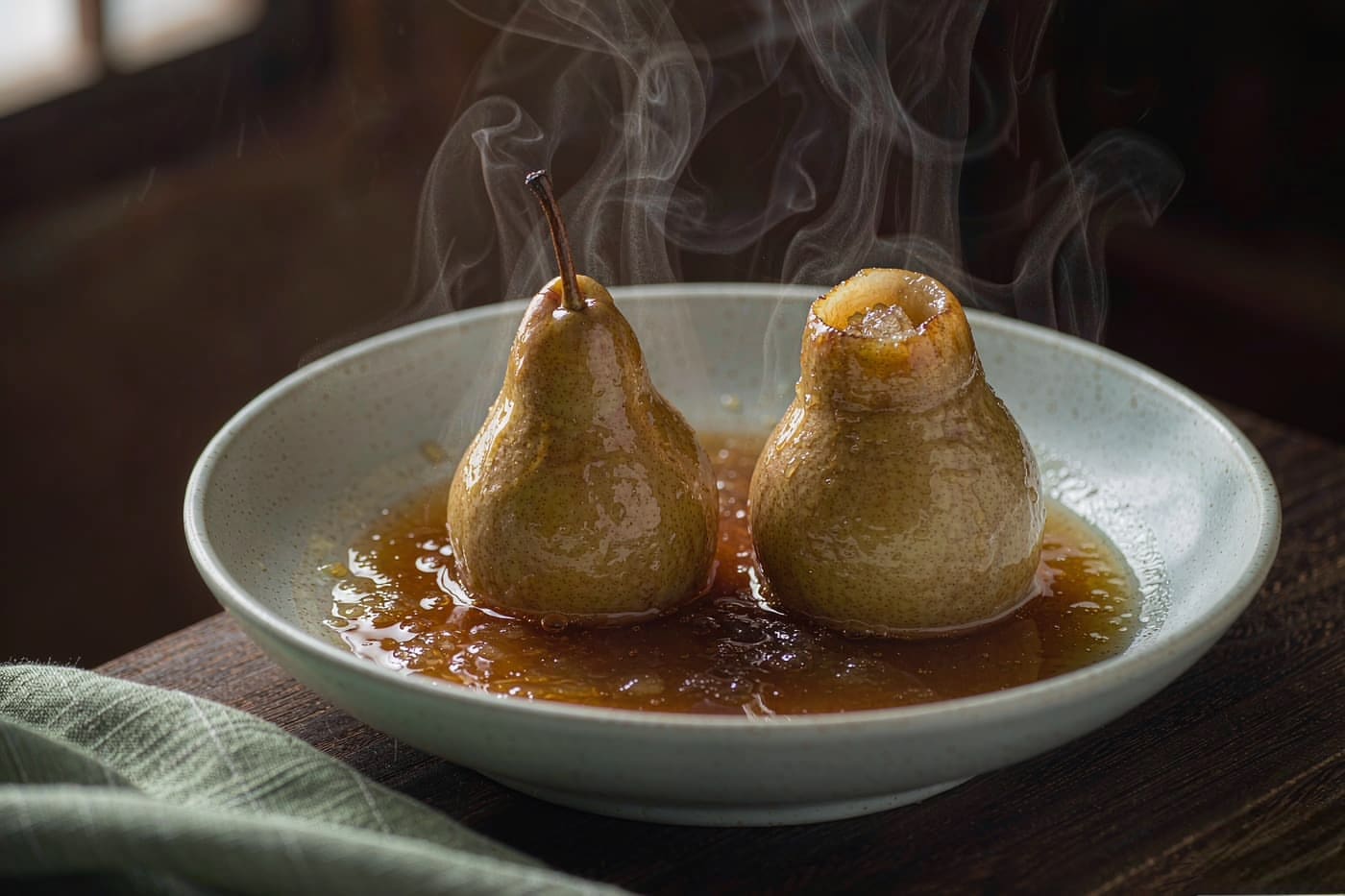
Why Chinese Kitchens Steam a Whole Pear With Rock Sugar
Chuanbei steamed pear shows up in Chinese homes every dry autumn. Here is what the dish actually is, what it is not, and how to make a small, honest version of it.
Jack Chen · Nov 2, 2026 · 4 min read
This article shares food culture and personal experience. It is not medical advice. See our medical disclaimer.